In short: to plan a retreat, work through six stages — get buy-in, set a budget, choose a venue, pick a theme, coordinate reservations and sign-up, and prepare your participants. Start 8–12 weeks ahead, gather venue quotes early, and use the venue’s online quote, sign-up link, and dashboard to keep the work simple.
Planning a retreat can feel overwhelming — lots of small decisions and moving parts. This guide breaks the whole process into clear stages so you can organize and run a great retreat while keeping it enjoyable and stress-free. Today the heavy lifting (quoting, sign-up, deposits, payment plans) happens online, so a single organizer can run an event for hundreds of people from one dashboard.
1. Get buy-in and support
Pitch the retreat with a short written plan that spells out the purpose, benefits, and rough cost so leaders or board members can say yes with confidence.
A well-run retreat helps a group pursue shared goals, build trust, and grow together — on a personal, team, or spiritual level. Many people underestimate that impact, so make the case clearly. A written one-page plan is the easiest way to get approval.
Ways a retreat benefits a group
- Stronger collaboration and communication
- Deeper relationships and trust
- Focused time toward shared goals, away from daily distractions
- Renewal, reflection, and personal growth
2. Set a budget and plan funding
Gather quotes from a few venues first, then build the budget — and add 15–20% for surprises. Spread cost over time with a monthly per-person payment plan so no one is priced out.
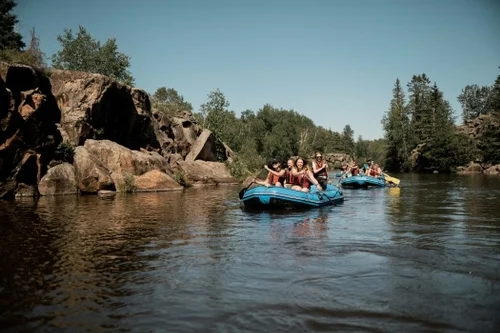
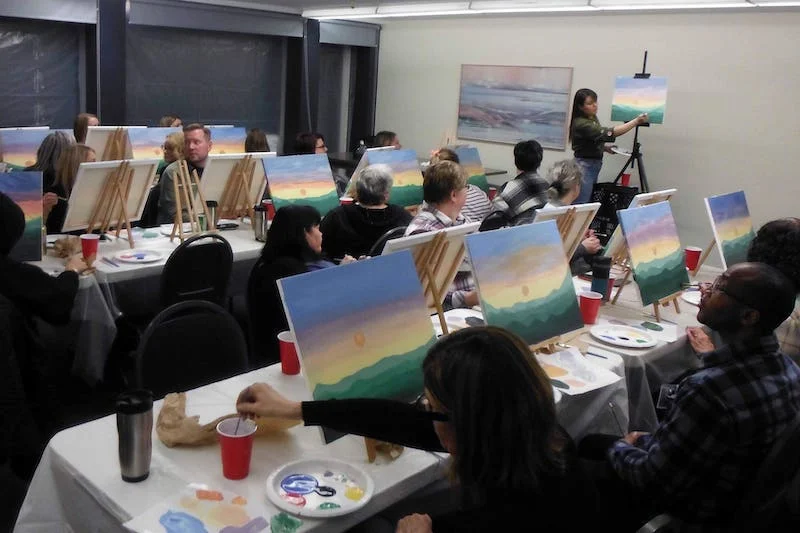
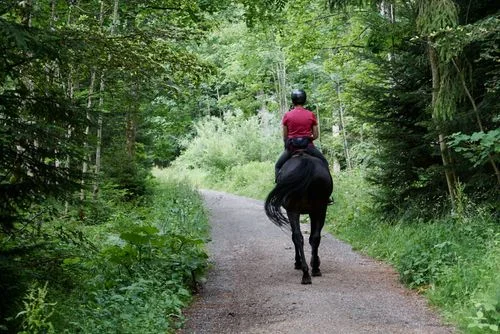
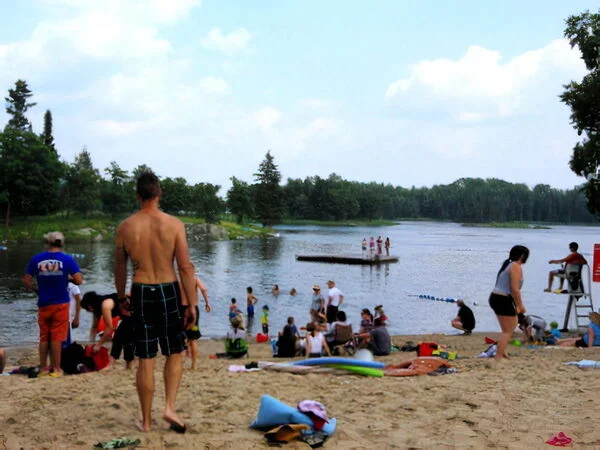
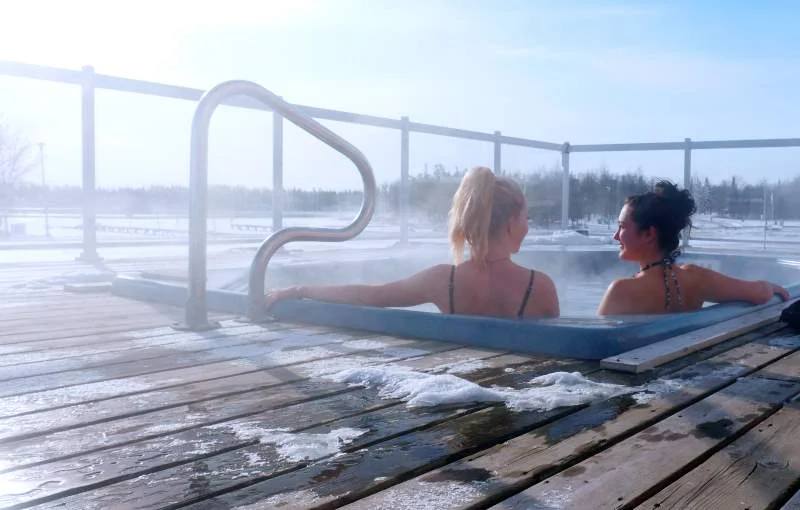
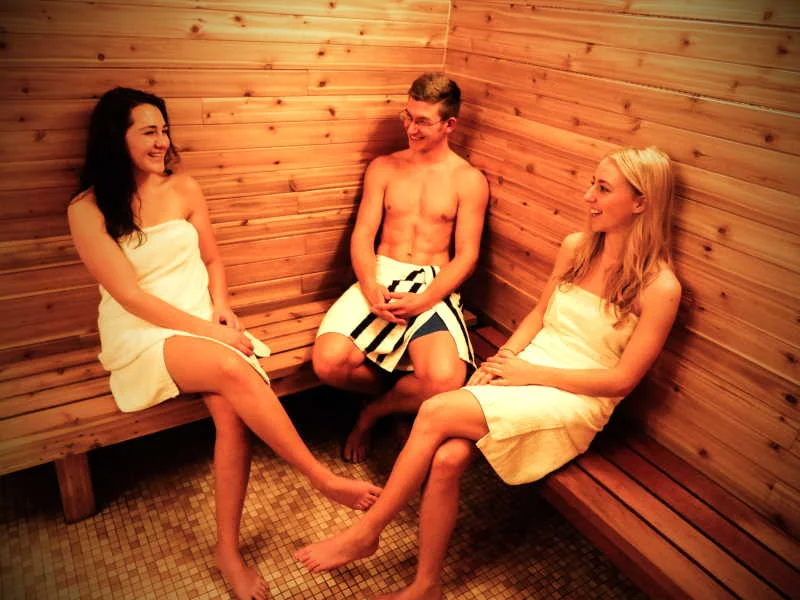
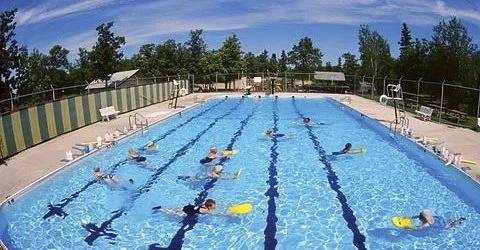
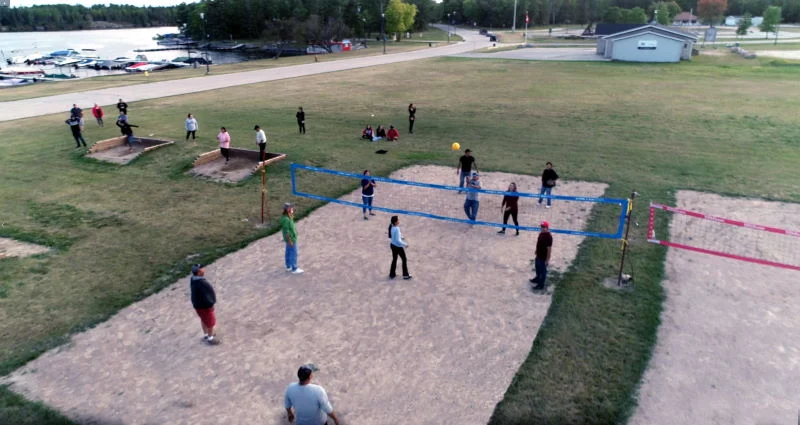
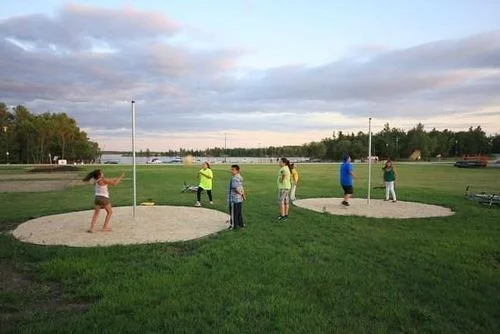
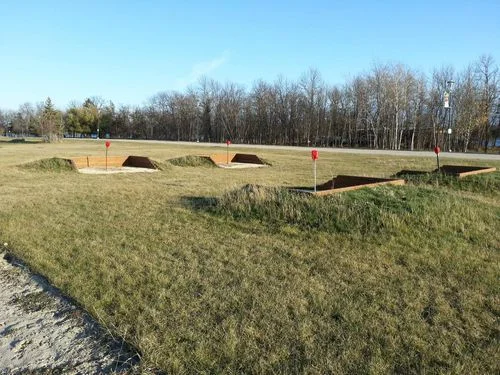
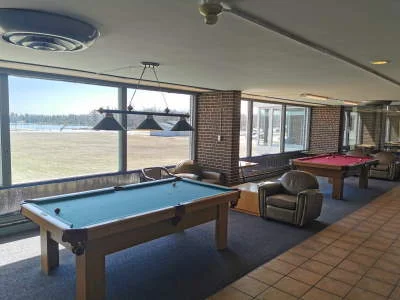
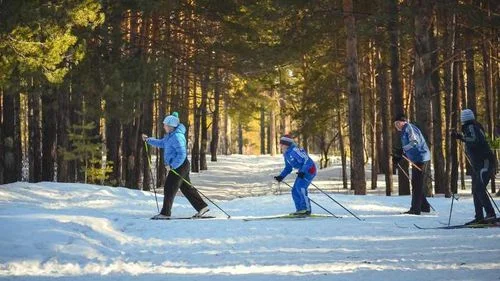
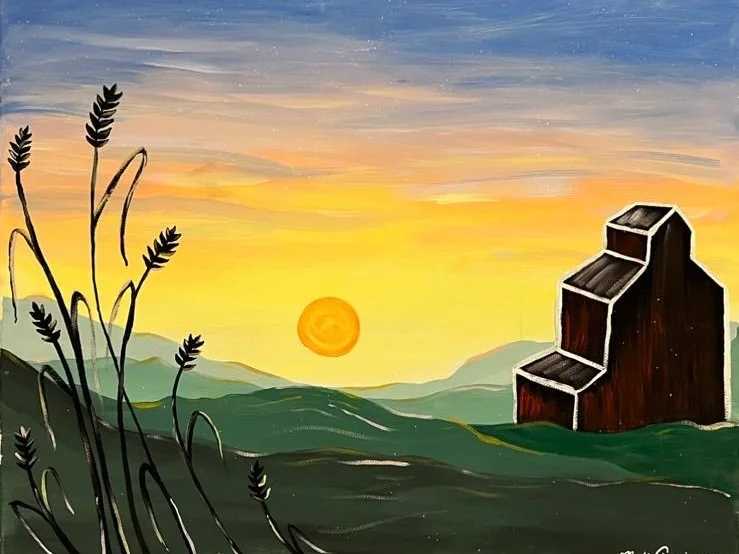
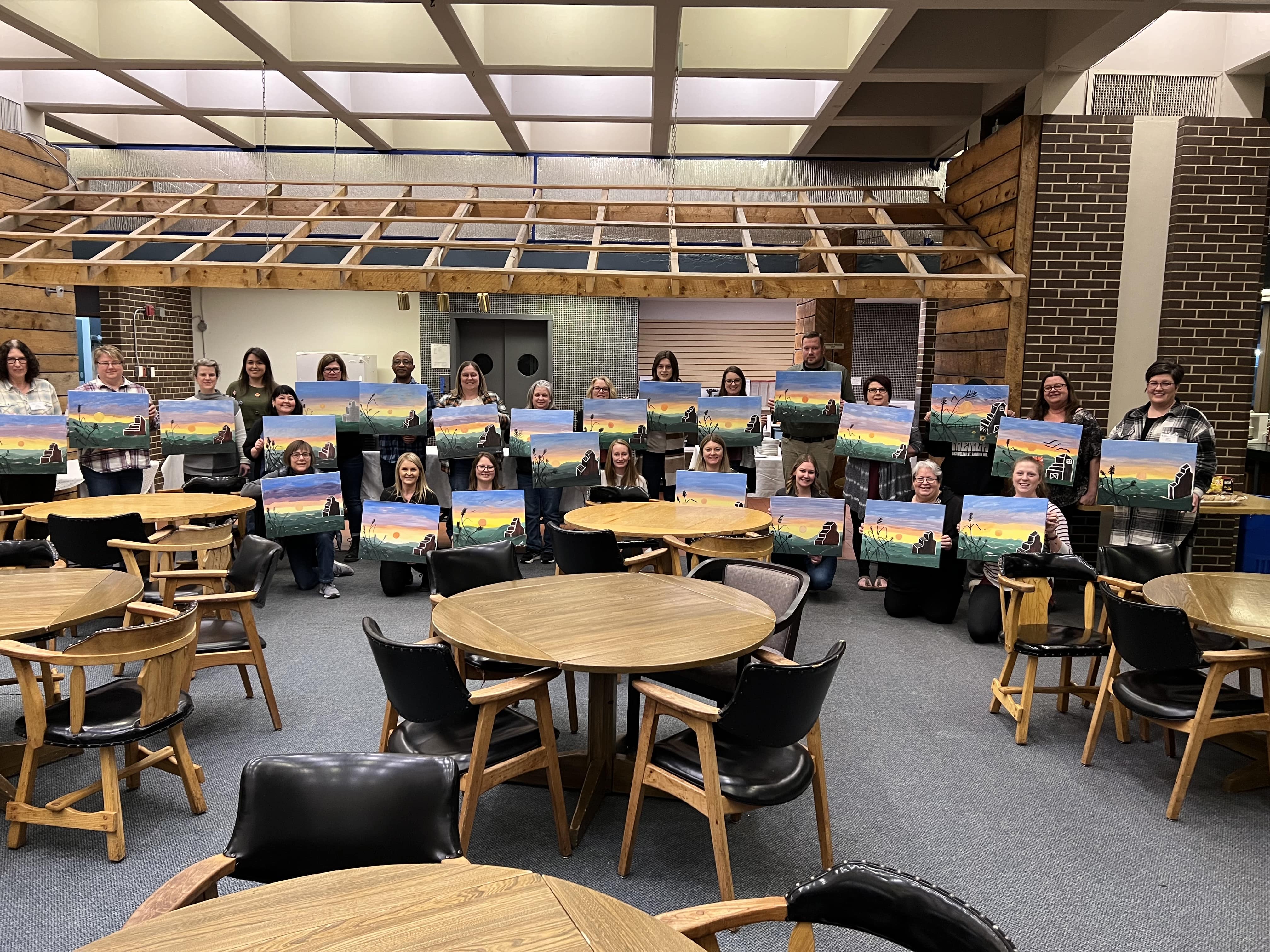
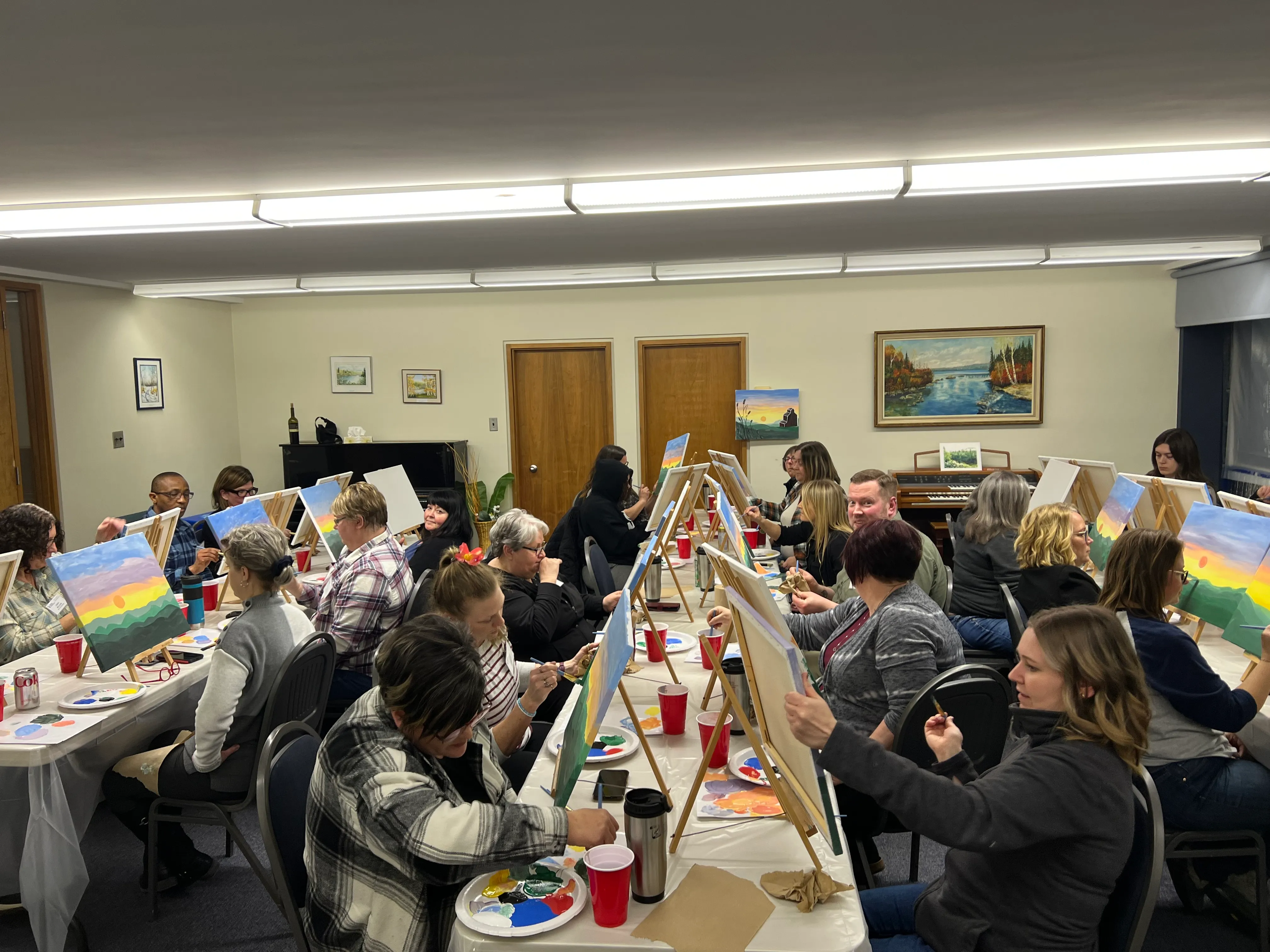
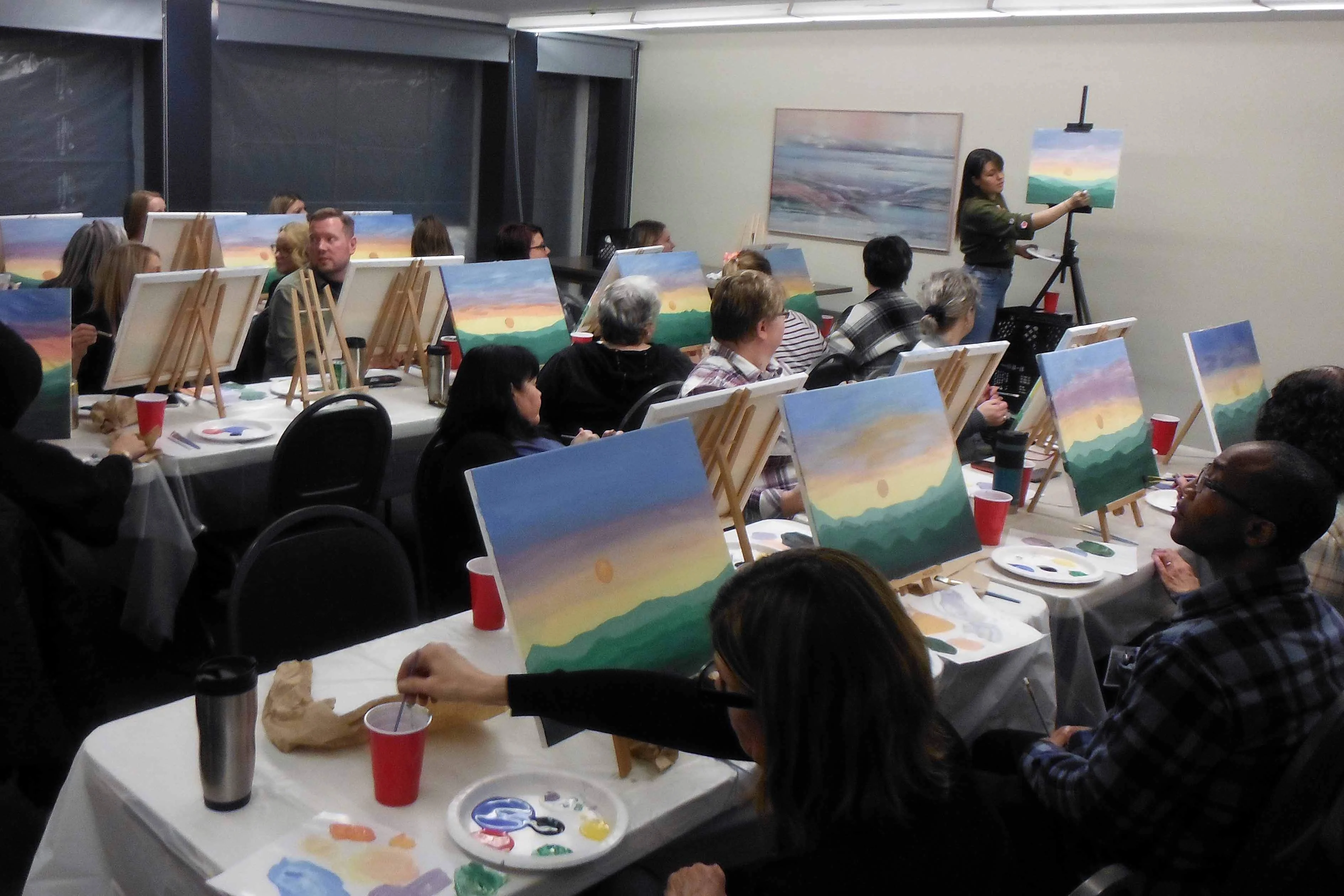
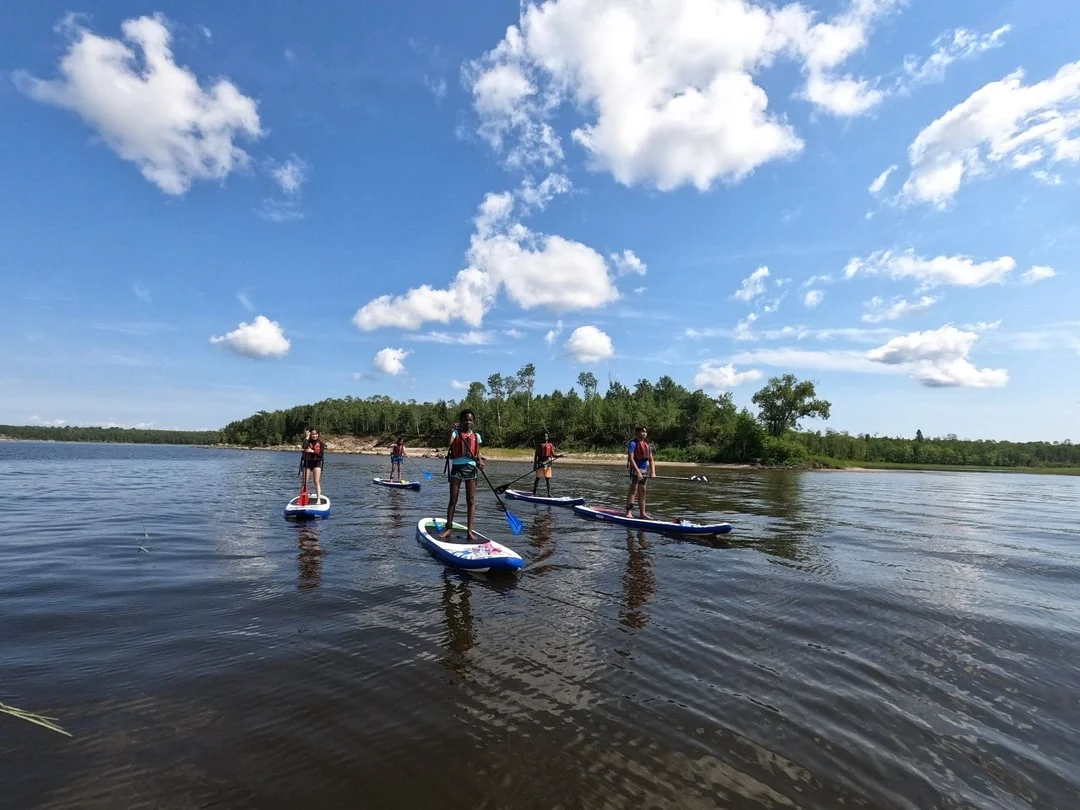
Most retreat venues give an instant online quote covering guest rooms, meals, and a meeting room, so you can compare real numbers in minutes. Many also offer free on-site activities, with guided options (paint night, rafting, tubing, golf and more) at extra cost. Getting quotes up front means no surprises and a realistic budget.
3. Choose a venue
Pick a venue that fits your group size with room to spare, meets dietary and accessibility needs, and bundles lodging, meals, and meeting space so you manage one provider instead of five.
Define your group and what they need first — a church, youth group, scrapbooking club, family reunion, or corporate team can have very different requirements. Confirm the venue can accommodate food allergies and special diets, then compare on the factors below.
What to compare
| Factor | What to ask |
|---|---|
| Location & access | Drive time, directions, parking, accessibility/mobility |
| Capacity | Comfortable for your number, with margin to grow |
| Accommodations | Room types, suites, bed configurations |
| Meals | On-site catering, buffet options, dietary & allergy accommodation |
| Meeting space | Enough rooms for plenary + breakout sessions |
| Activities | Free and guided options that fit your theme |
| Price & terms | Instant quote, deposit, payment plan, cancellation policy |
A venue that bundles rooms, meals, and meeting space for one package price takes the biggest weight off your shoulders. Booking somewhere with professional food service alone removes a huge planning burden.
Retreat types this guide fits
Men’sWomen’s YouthSchool Family / reunionTeam building ChurchCorporate
See rooms & suites · Meeting spaces · Catered meals · Retreat planning in Manitoba
4. Choose a theme
Pick one clear theme and build your title, discussions, activities, and games around it. A strong theme makes every other decision easier.
The most successful retreats have a unifying theme that ties together activities, discussions, games, and learning. Here are proven theme ideas by group type.
Men’s retreat
Pathways to Renewal — unplug from work and devices to reflect, recharge, and refocus on growth.
Story Telling — create space for men to share life stories and learn from one another.
Women’s retreat
A Purse and a Prayer — a small keepsake prompts a daily pause for prayer or mindfulness.
Bloom and Thrive — permission to nurture yourself through journaling, nature walks, and creative workshops.
Youth retreat
Embrace Your True Self — counter social-media pressure by celebrating individuality and building self-esteem.
School retreat
Perspectives and Pathways — explore trending and tough topics, then find common ground and mutual respect.
Family retreat
Digital Detox — reduce screen time and reconnect through tech-free time and shared activities.
Team / corporate retreat
Turning Challenges into Triumphs — reframe obstacles as growth and build a solution-oriented mindset.
More theme ideas
Verse by Verse · Harmony of the Heart · Gifts Unwrapped · Knowing Me, Knowing You · Mirror Moments · Bridging the Gap · Friends by Faith · Esteem Builders · Crossroads · Walking Together
Catchy titles
Unshakeable Foundations · Embracing Every Moment · Cultivating Joy · Reality Reset · Next Steps · Journey of the Spirit · Navigating Stress and Loss · Making a Difference · From Fear to Freedom
5. Coordinate: reservations, promotion & sign-up
Lock in dates and deposits, promote with simple branded posts, and collect registrations through the venue’s online sign-up link — preferences, allergies, and deposit captured in under a minute per person.
The reservation process
Beyond booking, the organizer handles deposits, deadlines, equipment, and dozens of small details. Use your venue’s website for forms and info, and keep a running checklist:
- Schedule and secure event dates
- Understand your contract terms and deposit deadlines
- Create a calendar of due dates for paperwork and planning
- Confirm insurance and permission-form requirements
- Arrange any equipment rentals
- Be the point of contact between the venue and participants
Promoting the retreat
Strong turnout comes from clear, engaging promotion tailored to your group:
- Printed: design brochures in Canva, print via VistaPrint or a local shop
- Social: event pages and posts on the channels your group uses
- Direct: group chat messages and email invites
Tip: use generative AI to draft promo captions, invite emails, and FAQ answers, then tweak to your voice.
Managing sign-up
Sign-up is no longer phone calls and paper forms. Venues give organizers a single web link; each person clicks through a few quick steps that capture their preferences, allergies, and deposit in roughly 45–60 seconds. Registrations appear instantly on the organizer’s online dashboard.
A good sign-up link includes general info, location, meal times, and accommodation details.
6. Prepare for the retreat
In the final days, confirm everything on your dashboard, check the weather and transportation, verify paperwork and check-in, and help participants get ready to fully engage.
Your last-minute checklist
- Check the weather; have an indoor backup plan
- Confirm transportation and who travels together
- Coordinate equipment pick-up/drop-off (A/V, supplies)
- Confirm vendors, talent, and catered food arrival
- Verify releases, paperwork, and payments (2+ weeks prior)
- Double-check your dashboard and that check-in is ready
- Pack participant materials: schedules, maps, worksheets
Help participants prepare
- Share the forecast and any packing/schedule changes
- Organize carpools; send directions, travel time, parking
- Remind them of time off, child/pet care, and personal prep
- List what to bring: ID, chargers, clothes, medications, theme items
- Confirm their paperwork and final payments are in
A simple 12-week countdown
| When | Do this |
|---|---|
| 12–10 weeks out | Get buy-in, gather venue quotes, set budget, book dates + deposit |
| 9–7 weeks out | Choose theme + title, plan sessions/activities, set up the sign-up link |
| 6–4 weeks out | Promote, open registration, start the monthly payment plan, track sign-ups on your dashboard |
| 3–2 weeks out | Confirm headcount, meals, dietary needs, equipment; submit paperwork & deposits |
| Final week | Check weather/transport, finalize materials, confirm check-in, brief participants |
Printable retreat planning checklist
Use this to keep planning on track — or download the full printable guide (PDF).
Plan your retreat at Wilderness Edge
Groups of 20–400, one hour from Winnipeg. Rooms, hot buffet meals, meeting spaces, and on-site activities — quoted and booked online.
Get an instant quote Talk to our teamRetreat planning FAQ
How far in advance should you plan a retreat?
Start 8–12 weeks ahead for most group retreats. That leaves time to get approval, gather quotes, book dates and deposits, choose a theme, open sign-up, and promote. Large or peak-season events benefit from booking the venue even earlier.
How much does a group retreat cost per person?
It depends on length, room type, meals, and activities. The fastest way to get a real number is an instant online quote from the venue, which bundles rooms, meals, and meeting space. Budget 15–20% extra for surprises, and spread the cost with a monthly per-person payment plan.
How do you choose a retreat venue?
Match the venue to your group size with room to spare, confirm it can handle dietary and accessibility needs, and favour places that bundle lodging, meals, and meeting space. Compare location, accommodations, meeting rooms, activities, price, deposit, and cancellation terms.
What’s a good group size for a retreat?
Anywhere from a small team to several hundred. Wilderness Edge hosts groups of 20–400. Choose a venue with comfortable capacity for your number plus a margin to grow.
How do participants sign up and pay?
Modern venues give the organizer one web link. Each participant clicks through a few short steps that capture preferences, allergies, and a deposit in about 45–60 seconds. Registrations show up instantly on the organizer’s online dashboard, and a payment plan can collect the balance monthly.
What themes work well for a retreat?
Pick one clear theme and build the title, sessions, and activities around it. Popular directions include renewal and reflection (men’s), self-care and growth (women’s), identity and confidence (youth), perspective and dialogue (school), digital detox (family), and turning challenges into wins (teams).
What does a retreat planner need to handle?
Securing dates and deposits, understanding the contract, tracking paperwork deadlines, arranging equipment, confirming insurance and permission forms, promoting the event, managing sign-up, and acting as the link between the venue and participants.
About Wilderness Edge
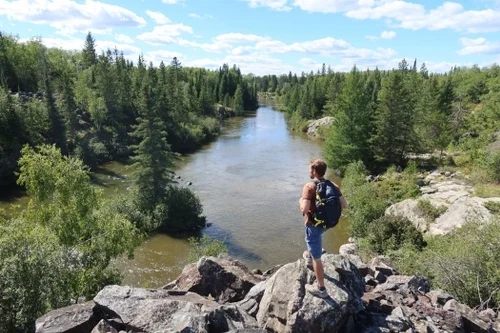
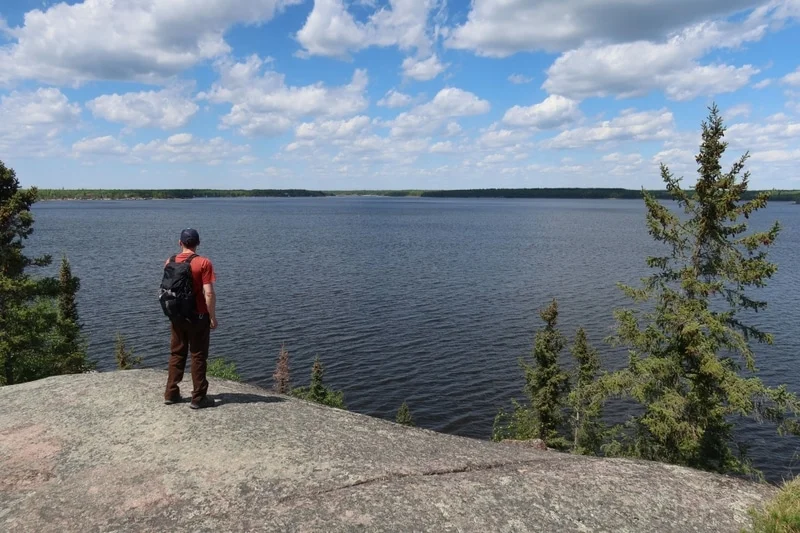
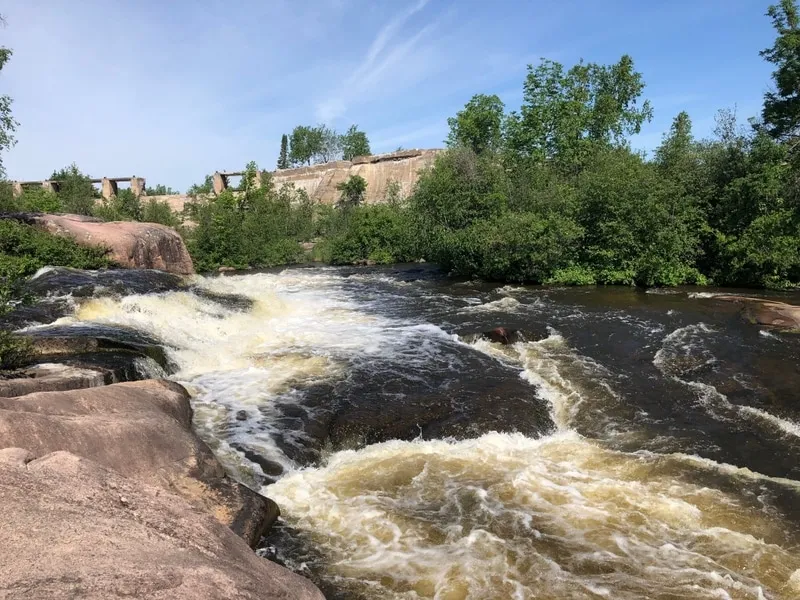
Wilderness Edge is a year-round retreat and conference centre in Pinawa, Manitoba, hosting group overnight retreats for over 28 years. With 143 guest bedrooms and suites, hot buffet meals, multiple meeting spaces, and a range of on-site activities, it’s built for group retreats of 20–400 people. Set on 11 acres along the beautiful Winnipeg River in the East Whiteshell — just one hour from Winnipeg — it’s a popular choice for corporate team building, school field trips, church retreats, family gatherings, and reunions.
Rooms & suites · Activities · Catered meals · Personal retreats · Contact